Recycling and Sustainability with Streatham Man And Van
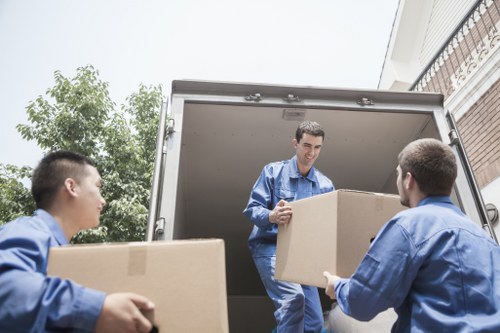 At Streatham Man And Van, recycling and sustainability are built into the way we move homes, offices, and unwanted items across South London. Our Streatham man and van recycling approach is designed to reduce landfill, recover reusable materials, and support a cleaner local environment. We aim to achieve a minimum recycling percentage target of 90% for suitable collected items, with careful sorting carried out before any load is sent onward. This includes separating wood, metal, cardboard, textiles, electricals, and reusable household goods so each item goes to the most appropriate next step.
Operating in and around Streatham means working within the wider approach taken by local boroughs to waste separation, where residents are encouraged to divide dry mixed recycling, food waste, garden waste, and general rubbish correctly. Our team reflects that same practical focus on careful sorting and responsible disposal. For a recycling-focused van service in Streatham, this means looking beyond simple removal and considering what can be reused, broken down for recycling, or directed to specialist facilities. It is an everyday part of how we help reduce the environmental impact of moving and clearance work.
 We also make use of local transfer stations and approved waste facilities in the wider South London area, helping ensure items are sent to the right processing route rather than being mixed together unnecessarily. These facilities play an important role in separating materials further and recovering recyclable content from loads collected during moves, clearances, and deliveries. By using recognised local infrastructure, our Streatham sustainability van service supports a more efficient chain of reuse and recycling, while keeping handling standards high and reducing the chance of recoverable materials being wasted.
Another key part of our Streatham recycling services is cooperation with charities and community organisations that can give furniture and household goods a second life. If items are in good condition, we look to divert them toward donation channels before considering disposal. This can include sofas, tables, storage units, small appliances, books, and everyday home items that still have useful life left in them. Working with charitable partners helps stretch the value of items collected, while also supporting local people and cutting down on unnecessary waste.
In many cases, a move or clearance produces a mixed load that includes reusable, recyclable, and non-recyclable materials in the same job. Our process is built to separate these streams with care. Cardboard and paper packaging may be flattened and prepared for recycling, metal fixtures can be separated, and selected plastics can be sent onward if suitable. This mirrors the practical reality of waste handling in South London, where borough recycling systems often rely on residents and operators alike to keep materials clean, sorted, and contamination-free. The result is a more responsible and efficient approach to man and van recycling in Streatham.
 We also invest in low-carbon vans that support a lower-emission service model. Modern, fuel-efficient vehicles help reduce the carbon footprint associated with each journey, especially on repeated local routes. By planning jobs carefully, grouping nearby collections where possible, and choosing vans that are better for fuel economy, we reduce unnecessary mileage and emissions. This is an important part of our wider Streatham sustainability commitment, because recycling is most effective when it is paired with smarter transport choices and fewer wasted journeys.
Our sustainability practices extend to the way we handle specialist materials. Electrical items are directed toward appropriate recycling streams, where components and metals can be recovered safely. Mattresses, metals, timber, and mixed furniture are assessed individually so they can be broken down properly, rather than treated as one generic waste stream. This type of sorting aligns well with borough-level expectations for waste separation and helps support higher recovery rates across the area. For customers seeking a responsible Streatham man and van, that means knowing their items are being handled with environmental care.
We also try to reduce waste before it even reaches the transfer stage. Where possible, packaging materials are reused for protection during moves, and items in good condition are set aside for donation instead of disposal. Our team understands that sustainability is not only about recycling bins and processing sites; it is also about making better decisions at the point of collection. That includes identifying items that can be repaired, repurposed, or passed on, rather than immediately sent for treatment.
 Because Streatham sits within a busy urban network, the environmental benefits of a well-run Streatham recycling and van service can be significant. Shorter local journeys, careful load planning, and the use of approved stations all help lower the overall impact of each job. We aim to keep sustainability practical rather than complicated: use what can be reused, recycle what can be processed, and dispose of the rest responsibly. In a community where separation of waste streams matters, this balanced approach supports cleaner streets and better recovery outcomes.
Streatham Man And Van remains focused on delivering a service that is efficient, environmentally aware, and locally responsible. From partnerships with charities to the use of low-carbon vans and recognised transfer stations, every part of the process is shaped around better resource use. Our recycling percentage target reflects a clear commitment to keeping recyclable and reusable materials in circulation wherever possible, rather than sending them straight to landfill.
 As South London continues to strengthen its approach to waste separation and material recovery, our Streatham man and van recycling service aims to play a positive role. Whether it is cardboard from a move, furniture for donation, or mixed materials for sorting at local facilities, we handle each load with the aim of reducing waste and supporting sustainability. That makes every collection not just a transport job, but part of a wider effort to protect local resources and cut environmental impact.